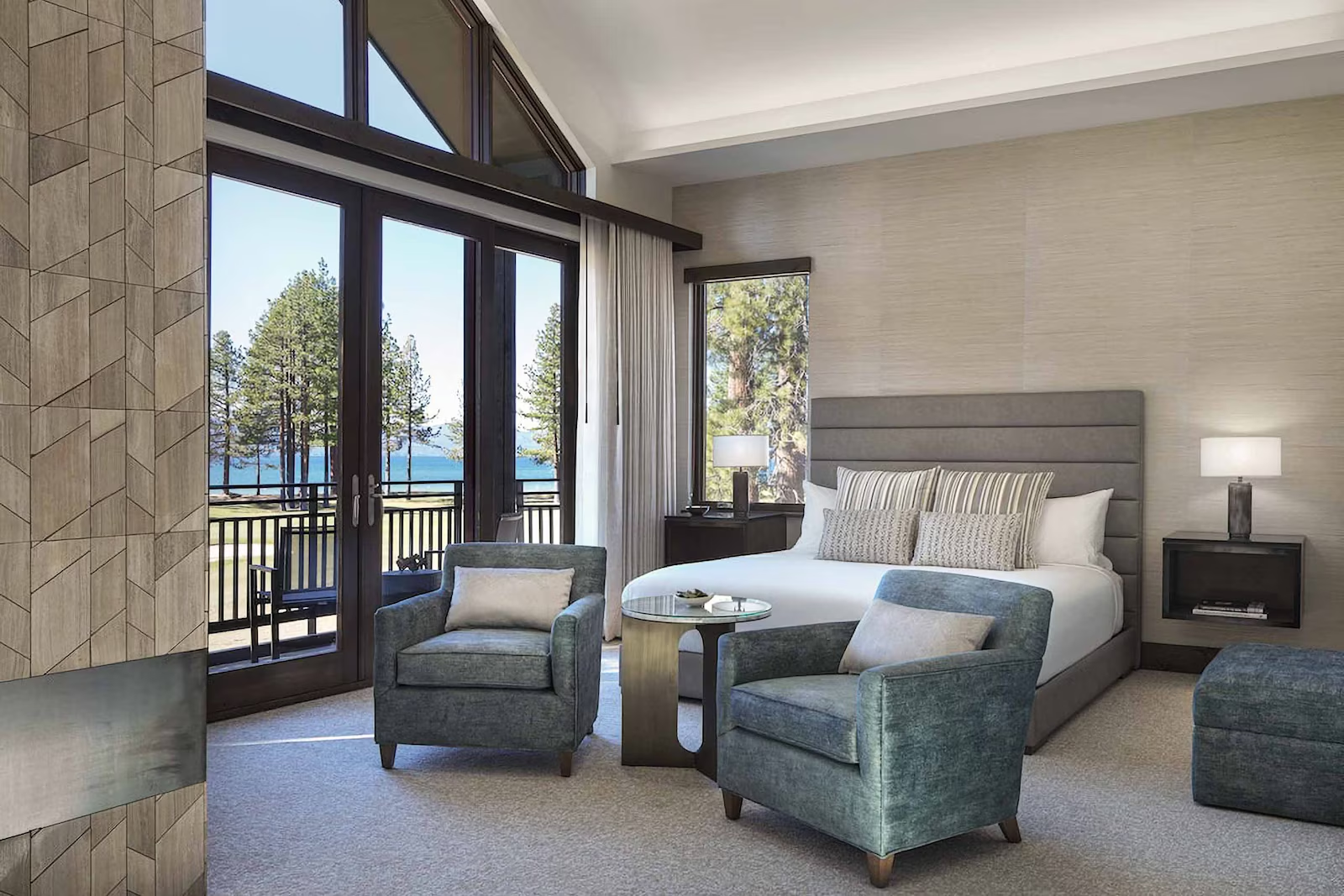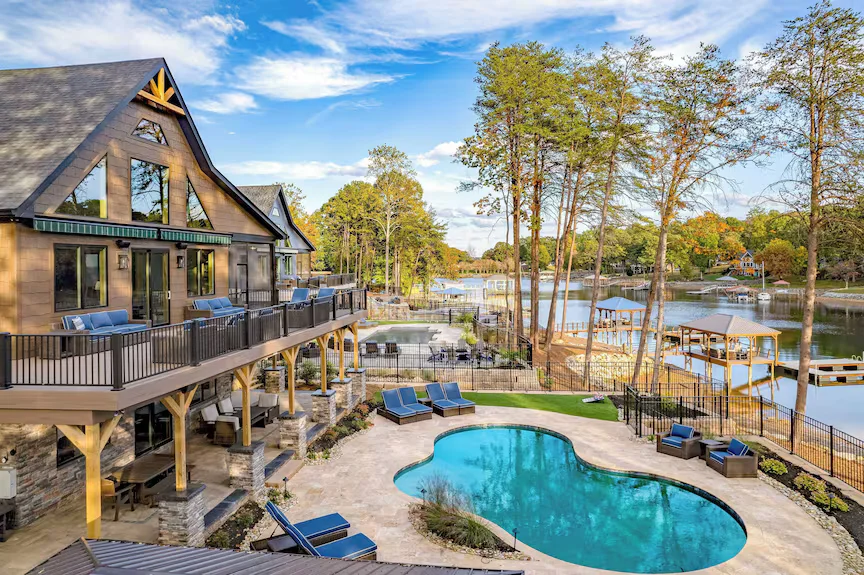
Best Private Lakefront Hotels in the US: A Forensic Audit
The American lakefront functions as a high-stakes ecosystem for ceremonial and recreational events, where the visual allure of a riparian setting often masks significant logistical complexities. Couples and travelers seeking an atmospheric, water-adjacent venue frequently underestimate the inherent friction involved in managing these sensitive environments. A property positioned at the water’s edge is not merely a collection of banquet halls and guest suites; it is a sensitive, engineered site subject to humidity volatility, seasonal accessibility shifts, and high-intensity maintenance demands. When one embarks on the process of planning an engagement or a high-end retreat at such a location, the primary challenge involves decoupling the aesthetic value of the setting from the escalating operational costs that such a site inevitably generates.
True efficiency in this sector emerges when the organizer’s logistical maturity matches the operational reality of the venue. Many planners approach a waterfront stay with a desire for a “seamless” day, yet they fail to recognize that the price of such seamlessness is baked into the venue’s infrastructure and labor requirements. Understanding how to manage these costs and expectations requires a shift from passive, aesthetic-driven consumption toward a forensic, audit-style approach to venue contracts.
This analysis provides a rigorous methodology for evaluating the structural integrity of service bundles in the waterfront hospitality sector. We move past the promotional veneer toward an operational audit of how to maximize value in a high-cost environment. By developing a comprehensive evaluative framework, we provide a definitive reference for those seeking to engage with the American waterfront in a meaningful, analytical, and sustainable manner. Our objective involves transitioning from reactive spending toward a deliberate, data-driven methodology for auditing the performance and integrity of the country’s premier riparian offerings while adhering to strict fiscal constraints.
Understanding best private lakefront hotels in the us
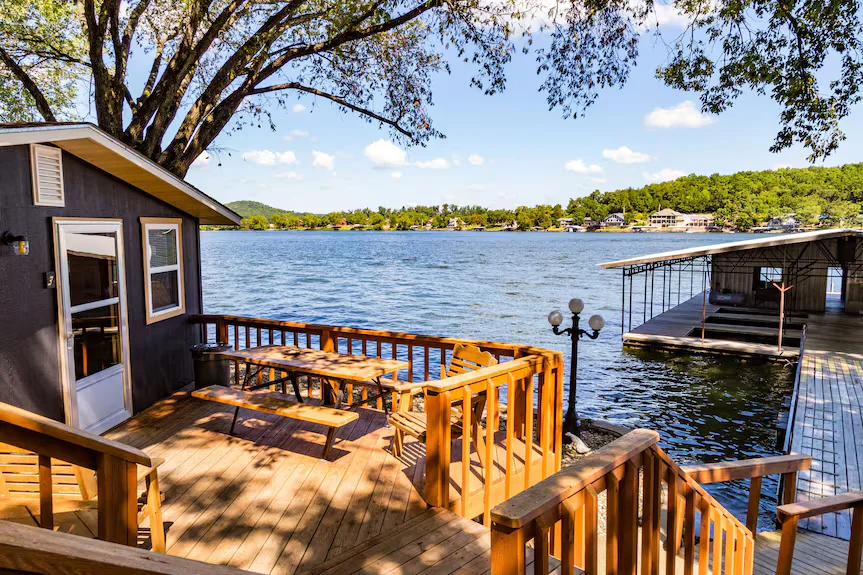
The effort to master the identification of the best private lakefront hotels in the us requires moving beyond the subjective “experience” metric. Most observers judge a venue by its immediate emotional appeal, yet emotional appeal represents the most easily inflated variable in a hospitality contract. A high-value stay depends on the technical reliability of the resort’s infrastructure. How effectively does the location manage its service throughput? Does it provide consistent access to its listed amenities, or is it prone to the chaotic closures associated with poorly managed maintenance? The most common error in this domain involves the belief that high-end marketing equates to high-end service. In reality, the most reliable properties often operate with an understated, industrial-grade commitment to logistical longevity.
Oversimplification poses the greatest risk for those seeking depth. Many guides aggregate diverse offerings—from high-intensity recreational retreats to isolated, contemplative lodges—into a single, homogenized list. This ignores the vast differences in their mechanical requirements and their social-political contexts. Understanding these bundles requires an audit of the resort’s “operational culture.” Does the management prioritize the long-term reliability of its programming, or does it prioritize short-term revenue spikes? By reframing the search as an audit of stewardship, you identify the sites that offer a genuinely stable encounter, rather than those that simply offer a fleeting, photogenic arrangement of features.
Deep Contextual Background: The Evolution of Waterfront Hospitality
The trajectory of American waterfront hospitality follows a path from early, localized extraction to modern, hyper-regulated institutional management. In the nineteenth century, most lake-adjacent sites functioned as industrial nodes—sources of water power, timber transit, or irrigation. The transformation of these sites into ceremonial and recreational hubs represents a relatively recent phenomenon. Often, this change occurred without long-term planning for the resulting environmental stress. As a result, many famous sites today face a crisis of “maintenance debt.” The sheer volume of demand has outstripped the capacity of original, rudimentary infrastructure.
We have moved into the era of “Institutional Stewardship.” The properties that now qualify as the best private lakefront hotels in the us have successfully navigated the transition from unregulated service models to complex, managed systems. This requires high-efficiency service modeling, active ecological integration, and sophisticated visitor-flow modeling. When evaluating a potential venue, consider the era of the resort’s development. Is it a legacy reservoir lodge struggling to adapt? Or does it represent a purpose-built facility designed with modern capacity and sustainability standards? The difference in the quality of the daily experience remains profound and predictable.
Conceptual Frameworks and Mental Models
-
The Service Throughput Matrix: This model measures a resort’s ability to deliver its promised amenities without degrading the quality of the individual guest’s experience through overcrowding.
-
The Operational Redundancy Audit: This framework identifies whether the resort can maintain its core service commitments—such as climate control and digital access—during peak demand periods or regional weather events.
-
The Access-Friction Index: This metric quantifies the logistical difficulty of engaging with the property, serving as a proxy for the exclusivity and quality of the resort’s management.
-
The Ecological Integration Score: This evaluates how well the resort’s programmatic development respects the natural hydrological cycle, which acts as a strong indicator of long-term site stability.
Key Categories and Operational Variations
| Category | Typical Infrastructure Profile | Financial Trade-off |
| Institutional Eco-Resorts | Hardened mechanicals; integrated systems | High barrier to entry; high stability |
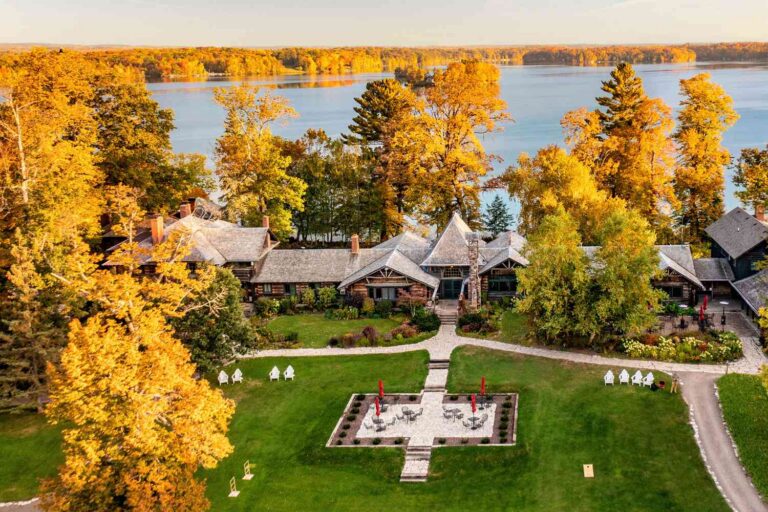
| Heritage-Adaptive Lodges | Restored timber; updated HVAC | High charm; complex mechanicals |
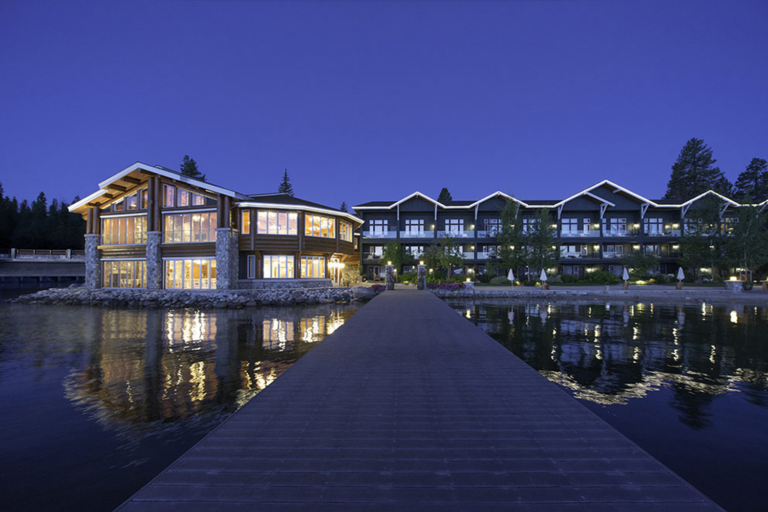
| Purpose-Built Modernist | High-efficiency envelopes; minimalist | Optimal value; architectural rigidity |
| Vertical Lakeside Towers | Centralized, dense mechanical systems | Efficient footprint; strata dependency |
Decision Logic: To master the process of learning best private lakefront hotels in the us, prioritize resorts that demonstrate a clear, science-based approach to water management. If the resort’s marketing literature focuses on ecological monitoring, the service bundle likely utilizes superior, long-term intent, which often results in less need for expensive, last-minute infrastructure interventions.
Detailed Real-World Scenarios
-
The Seasonal Load Failure: A major reservoir resort experiences a massive surge in summer guests, which breaks down its waste-management and service-staff systems. The resulting service restrictions force an emergency budget re-allocation. This illustrates how poor capacity planning ruins a high-potential event.
-
The Regulatory Bottleneck: An alpine resort, seeking to protect its pristine waters, implements a complex, permit-based access system for its events. While this preserves the environment, it creates significant friction for the guest. It showcases the trade-off between ecological protection and ease of logistics.
-
The Infrastructure Decay Trap: A heritage lake resort relies on aging, 1950s-era sewage and power systems. A failure during a peak holiday weekend results in a total loss of services. This reveals the danger of failing to invest in modernizing the resort’s mechanical backbone.
Planning, Cost, and Resource Dynamics
Economic evaluation requires moving beyond the cost of the event toward the “Total Cost of Engagement.”
| Cost Component | Relative Impact | Variability |
| Base Venue Fee | 40% | Fixed |
| Logistical/Access Premium | 30% | High |
| On-Site Amenity Utilization | 20% | Variable |
| Resilience/Contingency Reserve | 10% | Medium |
Note: The properties that consistently rank among the best private lakefront hotels in the us often command a higher premium not for the view, but for the reliability and cleanliness of their maintained environments.
The Risk Landscape and Systemic Failure Modes
-
Environmental Degradation: Constant exposure to high human volume in sensitive hydrological zones leads to irreversible damage.
-
Regulatory Instability: Because many waterfronts fall under fragmented agencies, changing administrative priorities can suddenly close access points or alter the site’s operational character.
-
Mechanical Corrosion: The moisture-heavy environment of large lakes accelerates the decay of all electrical and structural systems. This necessitates a budget-intensive preventive maintenance schedule.
Governance, Maintenance, and Long-Term Adaptation
-
The Forensic Inspection: Before confirming a venue, investigate the recent maintenance history of the property. A site that proactively publishes its water-quality data and infrastructure improvement goals respects the client’s investment.
-
Adaptation Triggers: Identify clear thresholds for performance. If a resort’s amenity systems appear visibly overwhelmed, this serves as a leading indicator that the location can no longer deliver the quality promised in its package.
-
Layered Maintenance Checklist: Maintain your own record of the site’s performance. This provides a feedback loop that informs future decisions about where to invest capital and time.
Measurement, Tracking, and Evaluation
-
Leading Indicators: The precision and timeliness of the resort’s communication; the visibility of on-site cleaning staff; the clarity of amenity-access protocols.
-
Lagging Indicators: The frequency and duration of service interruptions; the consistency of water-quality reports; the visual state of the riparian zone.
-
Documentation: Maintain a Performance Log for every resort considered. Catalog operational failures to determine the location’s reliability for future bookings.
Common Misconceptions and Oversimplifications
-
“Wilderness is pristine”: Many “wilderness” lakeside resorts suffer from significant human-induced stress, including microplastic accumulation and biological contamination.
-
“High volume implies quality”: Popularity often correlates with the erosion of the very qualities that made the location desirable in the first place.
-
“One size fits all”: The best lakeshores offer variety, but these require high-level governance to prevent conflict.
-
“Marketing is neutral”: Promotional materials are almost universally biased toward high-season visuals, ignoring the reality of off-season maintenance cycles.
-
“Smart technology is robust”: In remote sites, complex digital infrastructure without dedicated local technical support acts as a significant liability.
-
“Maintenance is the resort’s problem”: If a resort lacks maintenance, it becomes the guest’s problem in terms of lost time, limited access, and diminished value for their expenditure.
Conclusion
Understanding the best private lakefront hotels in the us that provide true long-term value remains an exercise in forensic evaluation. By abandoning the “passive consumer” mindset, the traveler gains the ability to identify resorts that offer true, sustained quality. The most reliable environments exist where resort governance has successfully reconciled the demands of human hospitality with the reality of hydrological constraints. When the infrastructure is hardened, the water remains clear, and the access is managed with professional, science-backed precision, the guest encounters an experience that is both stable and profoundly immersive. Selecting a venue based on these high-functioning riparian assets represents a unique, valuable opportunity for fiscal responsibility and long-term engagement.