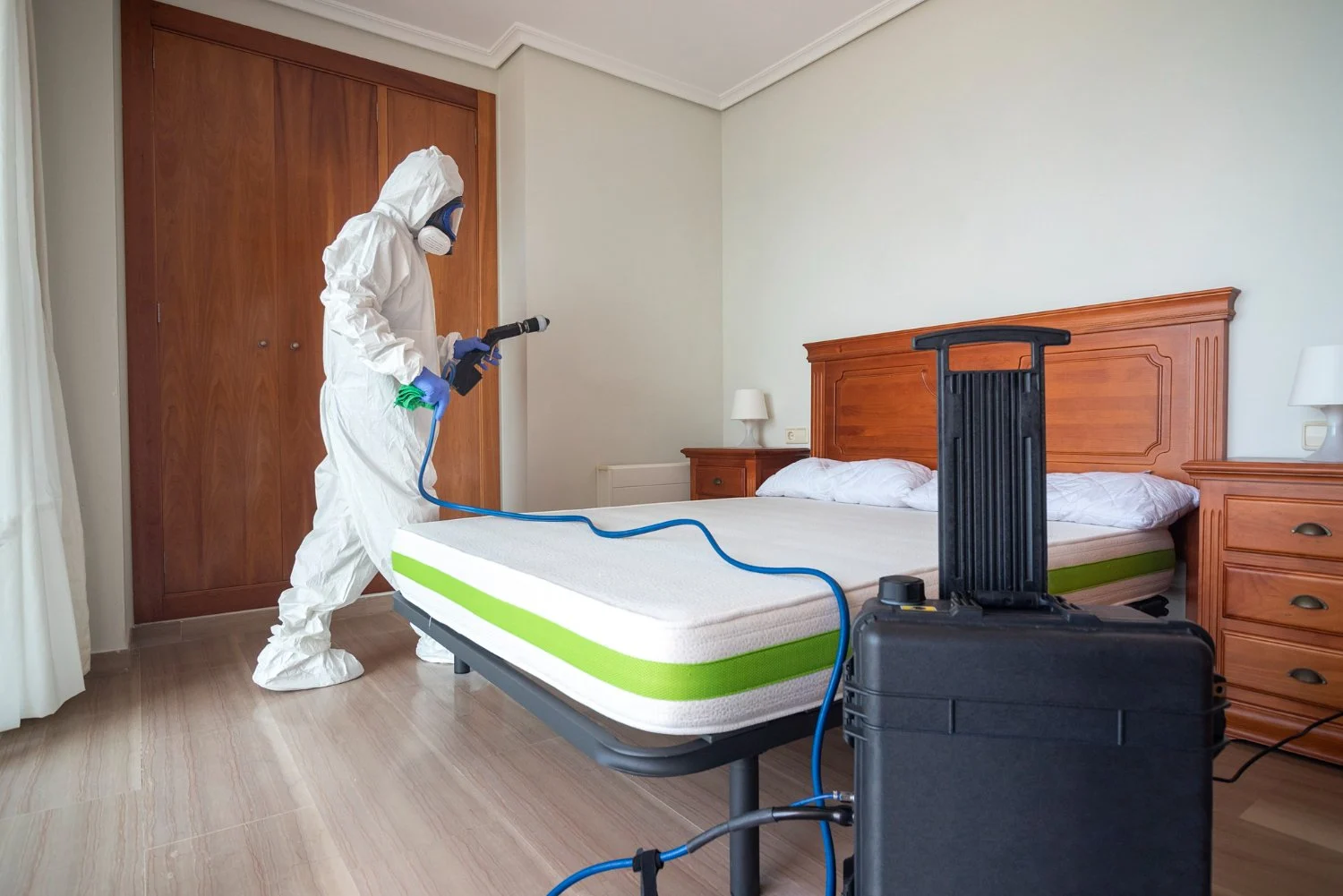
How to Manage Lakefront Hotels Insect Problems: A Forensic Audit
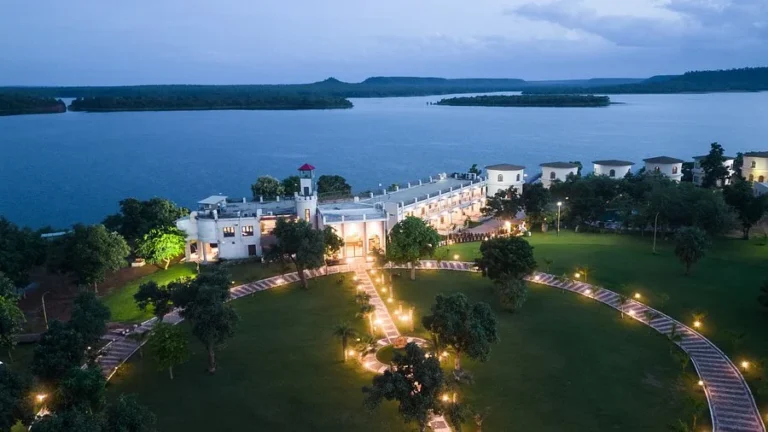
Waterfront hospitality exists in a state of permanent tension with the surrounding biological ecosystem. While the proximity to a lake defines the aesthetic appeal of a property, it simultaneously creates an open invitation for a massive, cyclical influx of insect populations. These creatures view the structure not as a retreat, but as a heat-retaining habitat or a source of light. For resort operators, this necessitates a move beyond reactive chemical applications toward a sophisticated, structural approach to containment. The goal involves creating an invisible, multi-layered defense system that maintains the illusion of nature while rigorously enforcing the boundary between the wilderness and the guest experience.
Effective management requires a forensic understanding of local entomology. Each lake system possesses a unique profile of midges, gnats, mosquitoes, and beetles, governed by specific temperature thresholds and breeding cycles. A strategy that works for a high-altitude reservoir in the Rockies will fail spectacularly in the humid lowlands of the Southeast. Operators must view themselves as site ecologists rather than cleaners. They must understand the flow of air, the placement of exterior lighting, and the moisture content of the soil around the building envelope. This article provides a definitive reference for those seeking to implement an integrated, sustainable, and highly effective pest-control protocol.
We operate here on the principle that the best control methods involve minimal disruption to the guest experience. Chemical odors, loud fogging devices, and visible trapping systems detract from the luxury of the waterfront setting. Instead, the most sophisticated properties utilize architectural, light-science, and landscaping interventions to manage populations before they ever reach the building’s threshold. By treating insect mitigation as an essential component of facility management rather than an afterthought, operators secure the long-term integrity of their hospitality assets against the constant encroachment of the natural world.
Understanding how to manage lakefront hotels insect problems

The task of determining how to manage lakefront hotels insect problems frequently suffers from a reliance on outdated, brute-force solutions. Many properties depend on a rotating schedule of generic exterior spraying. This approach ignores the biological reality that most insects follow specific navigational cues—principally light and moisture—that spraying fails to interrupt. A common mistake involves the over-reliance on chemical fogging, which creates an immediate environmental hazard for guests while failing to address the breeding grounds near the water’s edge. This tactical, rather than strategic, approach treats the symptoms of the infestation while allowing the root causes to continue undisturbed.
Oversimplification poses the primary risk to effective management. By failing to segment the pest population, operators often deploy the wrong tools for the job. For instance, a system designed to repel mosquitoes often attracts phototactic beetles if it utilizes the wrong spectrum of light. We must reframe the challenge. It is not about “killing insects”; it is about “managing a perimeter.” The best properties create a sterile zone around the building by manipulating light frequency, moisture levels, and air movement. When you investigate how to manage lakefront hotels insect problems, you must prioritize an audit of the facility’s physical and luminous landscape before you ever consider a chemical intervention.
Deep Contextual Background: The Evolution of Waterfront Pest Control
The history of insect mitigation on the waterfront follows a path from crude eradication to the modern era of Integrated Pest Management (IPM). Decades ago, resorts relied on heavy-duty, high-toxicity pesticides that saturated the ground, often causing severe ecological damage to the very lakes they marketed. The realization that such methods threatened the long-term viability of the site forced a shift in professional standards. Regulatory pressures, combined with a demand for more sustainable tourism, necessitated the move toward biological controls and preventative facility design.
Today, the most successful resorts utilize the “Systemic Exclusion” model. This approach views the resort building as a submarine, emphasizing the airtightness of the structure and the intentionality of the exterior environment. The transition from active killing to passive exclusion defines the current state of professional practice. By hardening the building envelope and altering the surrounding landscape to be less hospitable for breeding, property managers significantly reduce the baseline insect count. This historical transition mirrors the broader shift toward institutional stewardship, where the resort functions as a managed system within a larger, wilder landscape.
Conceptual Frameworks and Mental Models
-
The Luminous Barrier Model: A framework for using specific light frequencies to create “dark zones” that naturally deter night-flying insects while allowing for ambient guest lighting.
-
The Hydrological Disruption Matrix: A model for managing site moisture, which remains the primary attractor for most waterfront insect populations.
-
The Envelope Integrity Score: A measurement of how well a structure prevents entry through gaps, cracks, and HVAC intake systems.
-
The Entomological Life-Cycle Audit: A periodic assessment that determines when and where populations are breeding, allowing for precise, low-impact mitigation.
Key Categories and Operational Variations
| Category | Typical Intervention Strategy | Primary Management Benefit |
| Architectural Hardening | Sealed envelopes; automated air-curtains | Zero chemical exposure; permanent |
| Luminous Manipulation | Long-wave lighting; spectral shift | Low interference with guest view |
| Moisture Mitigation | Sub-surface drainage; slope adjustment | Reduces breeding grounds permanently |
| Biological Control | Habitat management for natural predators | Sustainable; zero chemical footprint |
Decision Logic: When determining how to manage lakefront hotels insect problems, follow this logic: first, seal the building; second, optimize exterior light; third, manage surrounding moisture; finally, use chemical controls only as a localized, emergency measure.
Detailed Real-World Scenarios
-
The Phototactic Invasion: A resort replaces its exterior path lights with high-intensity LEDs, inadvertently creating a beacon that draws millions of midges. The midges overwhelm the lobby entrance within minutes. The solution? Replacing the LEDs with warmer, amber-spectrum lighting that avoids the insect-attracting range of the light spectrum.
-
The Standing-Water Reservoir: A property experiences a massive spike in mosquito activity. An investigation reveals neglected drainage gutters on the roof and clogged sub-surface pipes near the dock. By simply correcting the grade of the landscaping, the management eliminates the mosquito population without a single drop of pesticide.
-
The HVAC Ingestion Point: Despite having a well-sealed building, a lodge experiences a persistent indoor gnat problem. Technicians discover the insects are riding the intake airflow of the main HVAC system. Installing high-density insect screens over the exterior intakes resolves the issue immediately.
Planning, Cost, and Resource Dynamics
Economic evaluation requires moving beyond the cost of a single pesticide application toward the “Total Cost of Perimeter Stewardship.”
| Cost Variable | Long-term Value Impact | Variability |
| HVAC Screen Installation | Extreme | Low |
| Landscape/Grade Engineering | High | Medium |
| Luminous System Upgrade | Moderate | Low |
| Recurring Biological Treatment | Moderate | High |
Note: The properties that best solve how to manage lakefront hotels insect problems typically invest heavily in one-time structural improvements to reduce recurring, high-cost maintenance.
The Risk Landscape and Systemic Failure Modes
-
The Chemical Treadmill: Relying on sprays builds resistance in populations, requiring stronger and more toxic applications over time—a compounding risk to the environment and the resort’s brand.
-
Regulatory Exposure: Using unapproved chemicals or impacting protected species through improper fogging can lead to significant legal and reputation damage.
-
Structural Creep: Even the best-sealed building will develop gaps over time. A failure to inspect and maintain the envelope annually constitutes the most frequent cause of system failure.
Governance, Maintenance, and Long-Term Adaptation
-
The Seasonal Forensic Audit: Before each high-intensity season, conduct a walk-through to identify new water pools or gaps in the building’s exterior.
-
Management Integration: Integrate pest management into the housekeeping and maintenance protocols. Every staff member must understand that a clogged gutter is not just a maintenance issue—it is a primary insect attractant.
-
Layered Checklist: Maintain a log that tracks insect activity by zone, species, and time of day. This data provides the feedback loop necessary to move from reactive killing to predictive management.
Measurement, Tracking, and Evaluation
-
Leading Indicators: The absence of standing water; the correct operation of all exclusion screens; the use of non-attractant lighting.
-
Lagging Indicators: The number of guest complaints; the frequency of service calls for additional chemical control.
-
Documentation: Maintain a visual map of the property, tagging “hot spots” of activity. This map serves as the primary tool for evaluating how to manage lakefront hotels insect problems effectively over several seasons.
Common Misconceptions and Oversimplifications
-
“One spray fits all”: Different species require fundamentally different strategies.
-
“Fogging is harmless”: Fogging introduces risks to air quality and local wildlife that often negate the benefit.
-
“The water is the only problem”: Moisture in soil, gutters, and hidden cavities can be just as problematic as the lake itself.
-
“Lights don’t matter”: Light intensity and wavelength are the most powerful attractants in the wilderness.
-
“Pest management is a janitorial task”: It is a complex engineering and ecological task that requires professional oversight.
-
“The building is sealed”: A building is never sealed; it is only “sufficiently resistant” for a limited amount of time.
Conclusion
Understanding how to manage lakefront hotels insect problems requires a shift from viewing the insect as an enemy to be exterminated toward viewing the resort as an ecosystem to be managed. True mastery in this domain does not involve the most potent pesticide. Instead, it involves the most precise intervention. By hardening the structure, calibrating the light, and mastering the hydrology of the site, operators create an environment that naturally excludes the nuisance. This deliberate, forensic approach maintains the integrity of the hospitality experience while respecting the wild nature of the waterfront. Success in this sector is measured by the invisibility of the effort—the guests should never know that a complex, high-stakes battle is being waged at the edge of the glass.