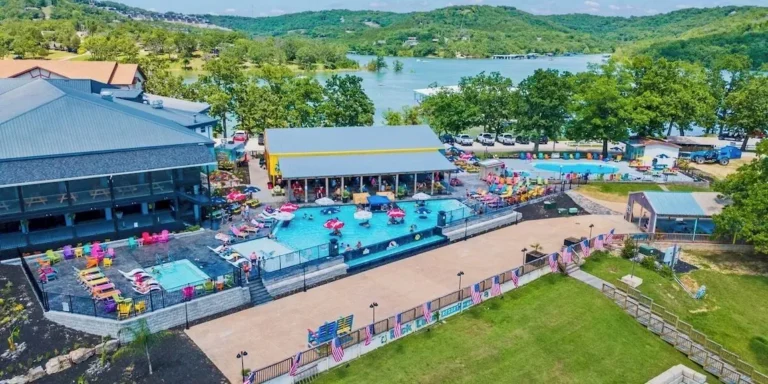
Best Lakefront Hotels for Digital Nomads: A Forensic Audit
The digital nomad movement has fundamentally altered the requirements of the hospitality industry. Travelers no longer prioritize a mere place to sleep. They require a functional, high-reliability office environment integrated into a leisure setting. This requirement becomes exponentially more complex when the destination is a lakefront resort. A waterfront property offers serenity and aesthetic appeal. Yet, it also presents significant logistical challenges for the remote professional. Reliable high-speed connectivity, ergonomic workspaces, and sustained power stability remain rare in remote, water-adjacent locations.
The pursuit of the best lakefront hotels for digital nomads demands a rigorous shift in perspective. A property that markets itself as “remote” often lacks the fiber-optic infrastructure required for high-bandwidth professional tasks. Furthermore, the very environment that promotes relaxation—damp air, extreme temperature fluctuations, and isolated geography—threatens the longevity of sophisticated computing hardware. Successful remote work in these settings requires a property that views connectivity and environmental control as foundational utilities, not as optional amenities.
This analysis moves beyond the glossy marketing imagery typically associated with lakeside travel. We perform a forensic examination of what constitutes a truly viable remote-work base. We bypass the reductive tendency to label any quiet lodge as “nomad-friendly.” Instead, we evaluate these assets through the lens of long-term professional utility. We prioritize technological integration, structural stability, and institutional governance. We provide a definitive reference for those seeking to evaluate, analyze, or engage with these robust, technologically sophisticated properties.
Understanding best lakefront hotels for digital nomads
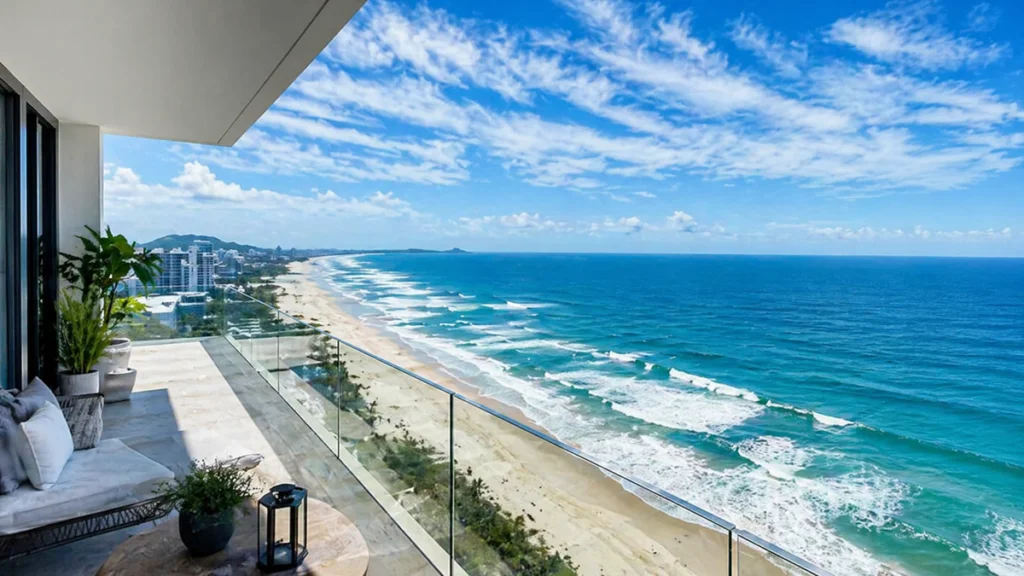
The primary challenge in characterizing the best lakefront hotels for digital nomads stems from a lack of technical depth. Observers frequently categorize these properties based on superficial design features. They ignore the profound mechanical requirements of their professional operation. A digital-nomad-friendly designation in a high-end context implies a curated encounter. However, this encounter remains inherently fragile. It faces constant disruption from supply-chain interruptions. It also risks mechanical failure in remote HVAC systems, which is critical for protecting sensitive electronic equipment from humidity.
Oversimplification poses a significant risk for those seeking authentic value. Many guides aggregate diverse properties into a single, homogenized list. They ignore the vast differences in their mechanical requirements. They also neglect their infrastructure stability. Understanding these retreats requires an audit of their operational culture. Does the management prioritize the long-term reliability of its internet and power infrastructure? Or does it prioritize short-term revenue spikes from leisure guests? By reframing the search as an audit of institutional stewardship, stakeholders can identify the sites that operate with genuine, long-term stability. You can avoid properties that fail to support a professional workday.
Deep Contextual Background: The Evolution of Remote Hospitality
The history of lakefront lodging follows a trajectory from early, resource-based extraction to modern, highly regulated institutional management. In the nineteenth century, these sites served industrial purposes. This included timber transit, mining, or water-power diversion. The transformation of these sites into high-end, work-capable retreats occurred recently. Often, developers planned this change poorly regarding resulting infrastructure stress. As a result, many locations now face a crisis of maintenance debt. Modern digital-nomad needs have pushed legacy infrastructure—designed for isolated outposts—beyond its design limits.
We have moved into the era of Work-from-Anywhere Institutional Stewardship. The properties that currently maintain the highest performance standards among the best lakefront hotels for digital nomads have successfully navigated this transition. They have moved away from informal management systems. Instead, they now utilize highly regulated, data-driven frameworks. This approach requires sophisticated load-balancing for utilities. It also mandates rigorous internet-bandwidth management. Moreover, it necessitates complex logistical planning to move supplies and technical support into sites that remain difficult to access.
Conceptual Frameworks and Mental Models
-
The Connectivity Resilience Matrix: This measures a destination’s ability to maintain high-bandwidth data transmission under extreme seasonal climate events.
-
The Ergonomic Integrity Audit: Experts use this model to assess whether the destination prioritizes the health of the professional by providing standardized, adjustable workspace environments.
-
The Power-Grid Dependency Index: This quantifies the risk of downtime at a destination, acting as a proxy for the resort’s investment in microgrid backups.
-
The Digital-Operational Friction Coefficient: This evaluates the ease with which a traveler can transition from a professional mode to a recreational mode within a single, site-restricted property.
Key Categories and Operational Variations
| Category | Operational Profile | Primary Management Challenge |
| Integrated Tech-Work Enclave | Dedicated, high-speed, managed fiber | High cost; risk of professional isolation |
| Heritage-Adaptive Hamlet | Restored, but complex, legacy systems | Balancing charm with professional utility |
| Isolated Ecological Retreat | Minimalist; extreme reliance on satellite | Managing data-transmission latency |
| Regional Multi-Use Basin | Large-scale; utility-dependent | Managing competing network interests |
Decision Logic: To determine the best path forward within the list of best lakefront hotels for digital nomads, prioritize sites that exhibit evidence of active infrastructure maintenance. If a location lacks a published, long-term plan for redundant internet backhauls, categorize it as high-risk, regardless of its aesthetic appeal.
Detailed Real-World Scenarios
-
The Satellite Latency Bottleneck: An isolated resort relies solely on satellite internet. A major thunderstorm moves across the lake. The resulting signal degradation causes persistent latency, rendering real-time video conferencing impossible. This exposes the risk of failing to build redundant, terrestrial-linked utility systems in remote areas.
-
The Power-Stability Failure: A property lacks an automatic transfer switch for its generator. A regional power outage causes a two-minute window of downtime. This results in the loss of unsaved server work and the disruption of active client sessions. This demonstrates the second-order effects of prioritizing cosmetic over professional infrastructure.
-
The Humidity-Control Misstep: Developers built a suite using high-end materials but ignored moisture control. The resulting humidity ingress causes corrosion in a traveler’s high-end laptop motherboard. This failure illustrates the necessity of matching building physics to the humidity-rich reality of the lakefront environment.
Planning, Cost, and Resource Dynamics
Economic evaluation requires looking beyond the cost of a stay. You must assess the “Total Cost of Professional Stewardship” for the region.
| Cost Variable | Impact on Long-term Value | Variability |
| Connectivity Resilience Upkeep | Critical | High |
| Power-Stability Redundancy | High | Extreme |
| Ergonomic Furniture Investment | Moderate | Low |
| Emergency Connectivity Contingency | Moderate | Medium |
Note: The best lakefront hotels for digital nomads consistently rank highest in utility-to-cost ratios because they distribute the burden of infrastructure costs across all stakeholders.
The Risk Landscape and Systemic Failure Modes
-
Network Obsolescence: Alpine or remote sites require specialized, high-bandwidth data pathways. Resorts that lag in upgrading these components face inevitable, compounding failure cycles.
-
Logistical Fragility: Maintaining professional hardware in high-humidity sites remains fiercely contested by natural forces. A change in regional weather patterns can instantaneously devalue the primary asset—the reliability of the site—of a lakefront destination.
-
The Over-Saturation Effect: Network demand often exceeds the physical capacity of the site’s limited bandwidth. The destination inevitably undergoes a decline in quality. The maintenance budget often becomes cannibalized by the cost of basic visitor management.
Governance, Maintenance, and Long-Term Adaptation
-
The Forensic Site Audit: Before planning a long-term engagement with a destination, review local service-provider maps. A site that manages its data transparently demonstrates high-performance governance.
-
Adjustment Triggers: Local management should possess clear, data-driven indicators for when to throttle network traffic. These include bandwidth utilization thresholds or connectivity latency spikes.
-
Layered Maintenance Checklist: Develop a recurring audit of the site’s infrastructure health. Track items such as internet-fiber integrity, surge-protection status, and the health of on-site generators.
Measurement, Tracking, and Evaluation
-
Leading Indicators: Transparency of public utility infrastructure plans and the frequency of professional-grade infrastructure reviews.
-
Lagging Indicators: The frequency of network outages and the rate of change in local latency benchmarks.
-
Documentation: Maintain a historical record of infrastructure performance in chosen destinations. This provides the necessary feedback loop for professional decision-making.
Common Misconceptions and Oversimplifications
-
“High-speed is universal”: Bandwidth capacity in remote, water-adjacent regions is dynamic and often volatile. It is not inherently guaranteed.
-
“Scenic is high-quality”: Visual appeal often correlates inversely with the structural and systemic health of a remote destination.
-
“Remoteness is luxury”: Remoteness acts as a logistical liability. It requires sophisticated, self-reliant infrastructure.
-
“Local governance is simple”: Waterfront regions often navigate overlapping, contradictory regulations from multiple agencies.
-
“Historical buildings are superior”: Older buildings often fail to meet the modern load requirements of high-density professional work.
-
“Modern is automatically sustainable”: Over-engineering can cause damage equal to under-building in remote, humidity-rich sites.
Conclusion
Engagement with the best lakefront hotels for digital nomads serves as an exercise in discerning the difference between a destination’s superficial veneer and its structural reality. By treating these sites as complex institutional assets, the professional observer identifies true value. They prioritize destinations that combine ecological sensitivity with forensic-grade maintenance. A successful destination understands the limits of its environment. It refuses to exceed them. When the human-built infrastructure aligns with the professional requirements of the digital age, the result is a stable, high-performance retreat. This stability persists long after the trends of the tourism market fade away.