Common Lakefront Hotels Travel Mistakes: A Forensic Audit
Waterfront travel occupies a rarefied space in the hospitality sector, promising an intersection of architectural ambition and ecological serenity. Yet, the very factors that generate this allure—proximity to dynamic water bodies, high-intensity moisture, and complex hydrological systems—are precisely what render these sites fragile. Travelers frequently approach these destinations with a standard, land-based hospitality mindset, failing to account for the unique operational vulnerabilities that characterize marine-adjacent lodges. This misalignment between expectation and the physical reality of the site serves as the breeding ground for a series of recurring, systemic errors that compromise the guest experience.
The industry itself often obfuscates these challenges, favoring marketing narratives that emphasize beauty over the practicalities of facility management. Consequently, the burden of critical assessment falls entirely upon the traveler. To engage with these environments successfully, one must transition from a passive consumer to a forensic observer. This requires understanding that a lakefront hotel operates as an engineered node within a volatile, fluid ecosystem, where success is measured not by the view from the balcony, but by the property’s ability to navigate the constant pressures of erosion, humidity, and biological encroachment.
This investigation provides a definitive, deep-dive reference for identifying and avoiding the most persistent errors that plague waterfront stays. We examine the evolution of these properties, the conceptual frameworks required to evaluate their operational integrity, and the systemic failure modes that arise when hospitality governance fails to match the rigors of the environment. By adopting this audit-based perspective, the informed traveler secures a significantly higher probability of operational stability, transforming the visit from a gamble on scenery into a calculated engagement with a managed, high-performance asset.
Understanding common lakefront hotels travel mistakes
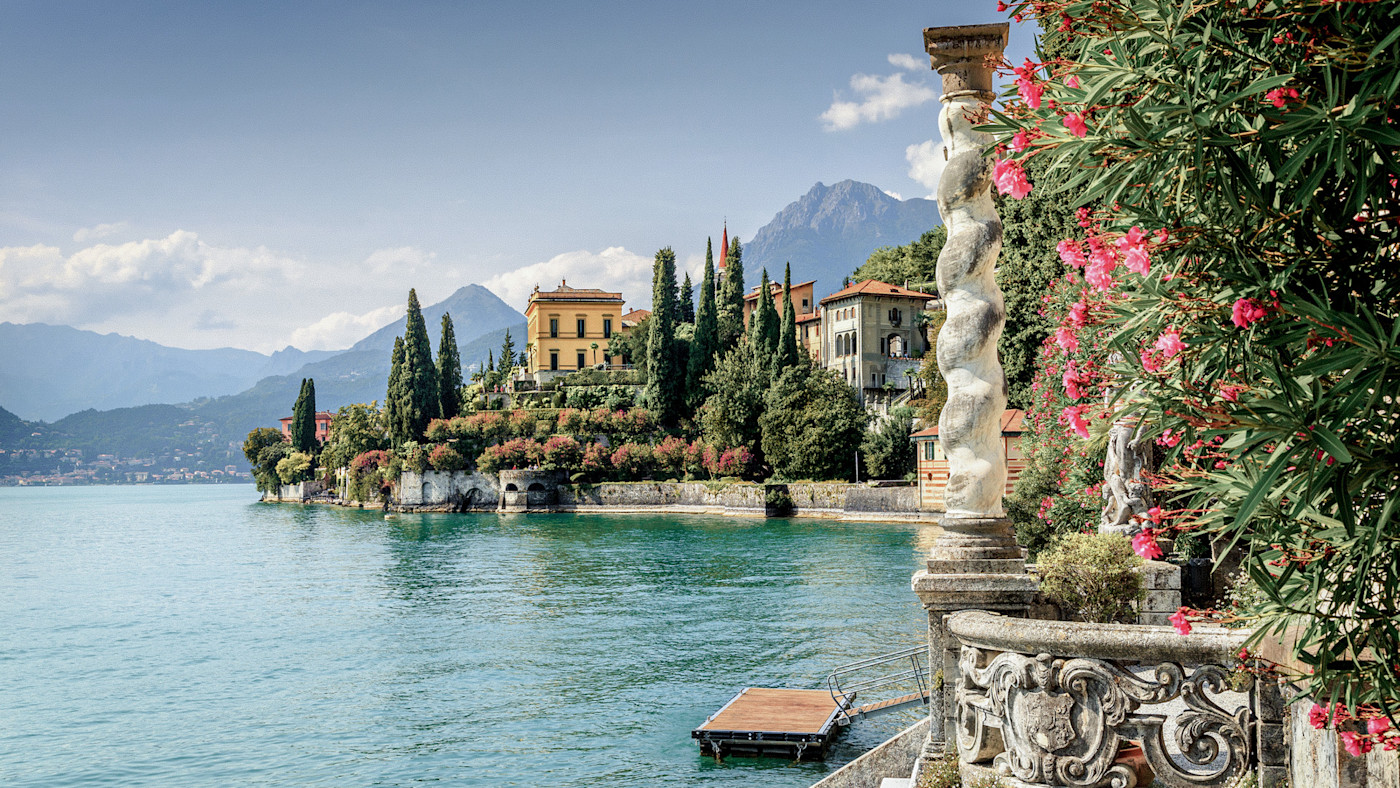
The process of navigating common lakefront hotels travel mistakes requires a recalibration of how we perceive hospitality value. Many travelers gravitate toward properties based on aesthetic appeal—the photograph of the deck at sunset—while failing to audit the underlying infrastructure. A primary error involves ignoring the age and engineering of the building envelope. Waterfront properties exist in a state of permanent atmospheric struggle; if the construction materials are not explicitly designed for high-salinity or high-humidity environments, no amount of interior design will prevent the inevitable ingress of moisture, mold, and rot. By focusing on the visual, we mask the mechanical.
Oversimplification remains the most significant threat to a successful visit. Many assume that high nightly rates correlate with mechanical perfection, yet the inverse is often true; prestigious heritage properties, while beautiful, frequently suffer from “maintenance debt” because the cost of bringing an older building up to modern, moisture-hardened standards is prohibitive. When evaluating common lakefront hotels travel mistakes, one must look beyond the brand and examine the specific maintenance cycles of the property. Does the management treat the building as a living machine, or as a static set-piece? Identifying this distinction is the core of forensic travel planning.
Deep Contextual Background: The Evolution of Waterfront Hospitality
The architectural history of lakefront lodging reflects a trajectory of increasing density and complexity. Historically, these lodges were modest, often seasonal, and prioritized functional ventilation over structural airtightness. As demand surged in the late twentieth century, developers engaged in a period of rapid, often unregulated, expansion. Many of the properties travelers frequent today were constructed during this phase, frequently utilizing standard residential framing techniques that were fundamentally unsuited for the intense, persistent moisture-loading of a lakefront environment.
We are currently in a corrective period. Modern, high-performance waterfront developments now emphasize “passive-exclusion” design, utilizing advanced drainage engineering and humidity-managed ventilation systems. Understanding this historical arc is essential for avoiding common lakefront hotels travel mistakes. A guest who understands the difference between a legacy-frame lodge and a purpose-engineered marine facility can accurately predict the environmental stability of their room. This shift toward institutional stewardship defines the modern era of the industry, and the most successful travelers use this knowledge to filter out properties that are likely to fail under environmental pressure.
Conceptual Frameworks and Mental Models
-
The Envelope Integrity Audit: A mental framework that treats the hotel room as an air-gapped system; if the seal is compromised, the environment is fundamentally unstable.
-
The Hydrological Buffer Zone: A model for determining if a property has respected the water’s edge, or if it has over-extended its footprint into naturally saturated, flood-prone zones.
-
The Service-Persistence Index: A way to gauge if a property can maintain essential services (climate control, water potability) during regional environmental fluctuations.
-
The Mechanical-Resilience Assessment: Evaluating the redundancy of the property’s back-end infrastructure (HVAC, filtration, power) to handle constant humidity stress.
Key Categories and Operational Variations
| Category | Typical Infrastructure Profile | Primary Failure Mode |
| Heritage-Adaptive Lodge | Restored timber/stone; legacy mechanicals | Moisture ingress; persistent mold |
| High-Density Modernist | Airtight envelope; centralized HVAC | Systemic failure if central unit degrades |
| Eco-Minimalist Retreat | Passive ventilation; site-exposed | Biological/insect intrusion |
| Strata-Owned Waterfront | Variable maintenance; ownership drift | Inconsistent room-to-room performance |
Decision Logic: When investigating common lakefront hotels travel mistakes, apply a tiered filter: first, identify the building era; second, evaluate the moisture-management strategy; third, audit the management’s historical approach to maintenance. If the property lacks transparency in these areas, the risk of systemic environmental failure is statistically high.
Detailed Real-World Scenarios
-
The HVAC Ingestion Failure: A luxury resort installs advanced, energy-efficient HVAC units but fails to calibrate them for the specific moisture-loading of the lake. Within a season, the ducts become breeding grounds for spores, leading to persistent air-quality issues. The traveler who notices the lack of specialized humidity monitoring in the room description avoids this trap.
-
The Landscape Saturation Error: A traveler chooses a boutique hotel known for its lush, water-adjacent gardens. However, these gardens necessitate constant irrigation that leaches into the building’s foundation, causing unseen structural dampness. Avoiding this requires looking at the site’s topography and how it directs water toward, rather than away from, the building.
-
The Off-Peak Maintenance Trap: Booking an older lodge during the off-season, when the management is performing cost-cutting maintenance, often leads to exposure to construction noise, dust, and disrupted services. Understanding the operational calendar is a simple but vital aspect of avoiding common lakefront hotels travel mistakes.
Planning, Cost, and Resource Dynamics
Economic evaluation requires viewing the cost of the stay as an investment in the facility’s ability to protect the occupant from the environment.
| Cost Variable | Impact on Experience | Variability |
| Infrastructure Maintenance | High | Extreme |
| Climate-Control Redundancy | High | High |
| Location-Proximity Premium | Low | Low |
| Operational Staffing Level | Moderate | Medium |
Note: The most common financial error is paying a premium for proximity to the water, while ignoring the operational costs of maintaining that proximity safely.
The Risk Landscape and Systemic Failure Modes
-
The Compounding Moisture Load: Once a seal is breached in a lakefront environment, the degradation of materials proceeds at a non-linear, accelerating rate.
-
Biological Resistance: Properties that rely on outdated chemical pest-control protocols create resistant populations, necessitating ever-stronger, more hazardous applications that impact guest health.
-
Management Myopia: A focus on short-term guest satisfaction often comes at the expense of long-term structural integrity, leading to a sudden, catastrophic loss of facility functionality.
Governance, Maintenance, and Long-Term Adaptation
-
The Forensic Walk-Through: Upon arrival, examine the baseboards and HVAC vents. Evidence of dust buildup or uneven staining indicates poor moisture-management, a clear red flag in a high-humidity zone.
-
Operational Transparency: Seek out properties that actively communicate their maintenance protocols. A management team that discusses its humidity-control systems is a team that understands its own environmental risks.
-
Layered Evaluation Checklist: Use an annual, evolving checklist to document your findings across multiple stays. This data-gathering process eventually reveals the properties that demonstrate high-performance stewardship of their physical plants.
Measurement, Tracking, and Evaluation
-
Leading Indicators: The precision of the property’s pre-arrival logistical messaging; the existence of visible, active facility monitoring in public or semi-public areas.
-
Lagging Indicators: The variance in indoor air quality across different floors or wing sectors; the frequency of maintenance-related service interruptions.
-
Documentation: Maintain a personal ledger for every waterfront stay, noting the correlation between the room’s mechanical performance and its architectural age or design. This is essential for navigating common lakefront hotels travel mistakes.
Common Misconceptions and Oversimplifications
-
“High rates buy mechanical stability”: Luxury pricing often covers marketing and aesthetic polish, not the invisible work of structural maintenance.
-
“Natural ventilation is superior”: In a lakefront environment, natural ventilation often introduces unwanted humidity and biological contaminants.
-
“A fresh coat of paint hides everything”: It usually hides the specific signs of a deeper, ongoing moisture failure.
-
“Proximity is the ultimate luxury”: Proximity is an environmental liability; luxury is the mastery of that liability.
-
“Brand standards are uniform”: Even within high-end chains, the local building’s age and site-specific conditions dominate performance.
-
“Reviews capture the whole story”: Reviews are dominated by emotional reactions to decor, ignoring the mechanical reality of the stay.
Conclusion
Avoiding common lakefront hotels travel mistakes is a process of disciplined, forensic inquiry. By shifting focus from the visual landscape to the structural and mechanical integrity of the building, the traveler moves beyond the marketing veneer to identify properties that offer genuine stability. The waterfront hospitality experience, at its most sophisticated, is a triumph of engineering over nature—a comfortable, climate-controlled space carved into a volatile environment. Selecting a property that honors this achievement requires the traveler to act as an auditor, seeking out properties that demonstrate transparency, professional maintenance, and a profound respect for the physics of their own existence.