Modern Dock Lifestyle Destinations USA: A Forensic Audit
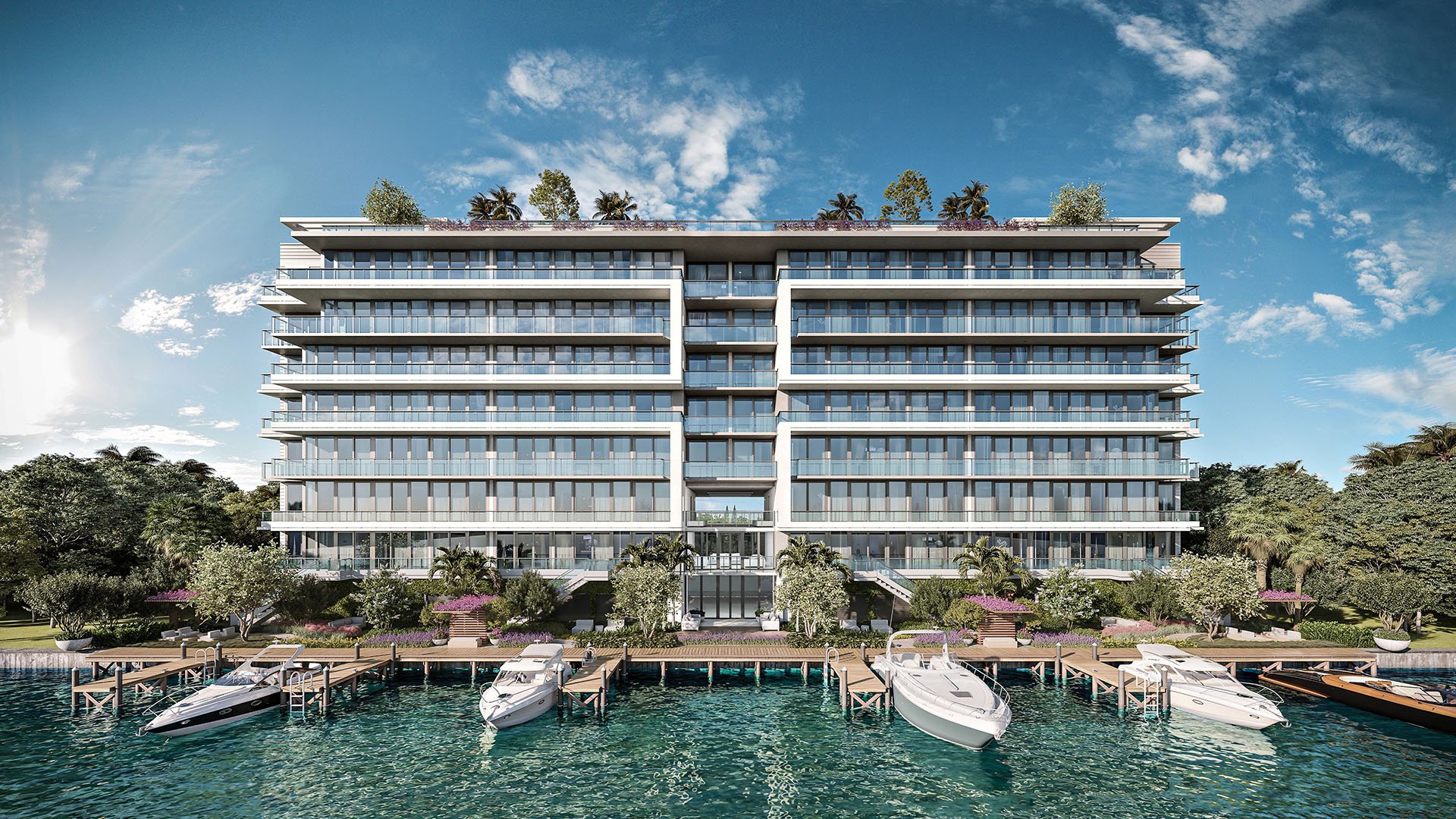
The contemporary transformation of the American waterfront has transcended the traditional nautical archetype of the utilitarian pier. Architects and developers now craft high-performance maritime enclaves. Here, the dock functions as the central node of a complex, lifestyle-integrated infrastructure. These environments prioritize immediate aquatic access alongside high-fidelity residential connectivity. They represent a significant shift in how society interacts with hydro-topography. Consequently, these sites demand a rigorous level of analytical evaluation. One must interrogate the engineering of the shoreline as intensely as the amenities of the structures themselves.
This shift does not occur in a vacuum. It responds to the compounding pressures of urban density and the premiumization of climate-resilient real estate. Furthermore, engineers now possess the capacity to maintain high-end, data-driven living environments in increasingly isolated locations. However, the allure of the waterfront often obscures the underlying technical and regulatory complexity. A property might look arresting while remaining ecologically fragile, structurally vulnerable, or operationally unstable. To truly understand these environments, one must adopt the mindset of an institutional developer. One must question the long-term viability of the site’s hydrological, logistical, and energy-management systems.
This audit provides a definitive, forensic reference for those navigating the landscape of modern dock lifestyle destinations usa. We examine the evolution of these sites and the mental models required to evaluate their long-term resilience. Moreover, we highlight the systemic failure modes that often derail otherwise high-capital investments. By moving past the superficial marketing narratives that dominate the discourse, we establish a robust framework for understanding successful and sustainable maritime development.
Understanding modern dock lifestyle destinations usa
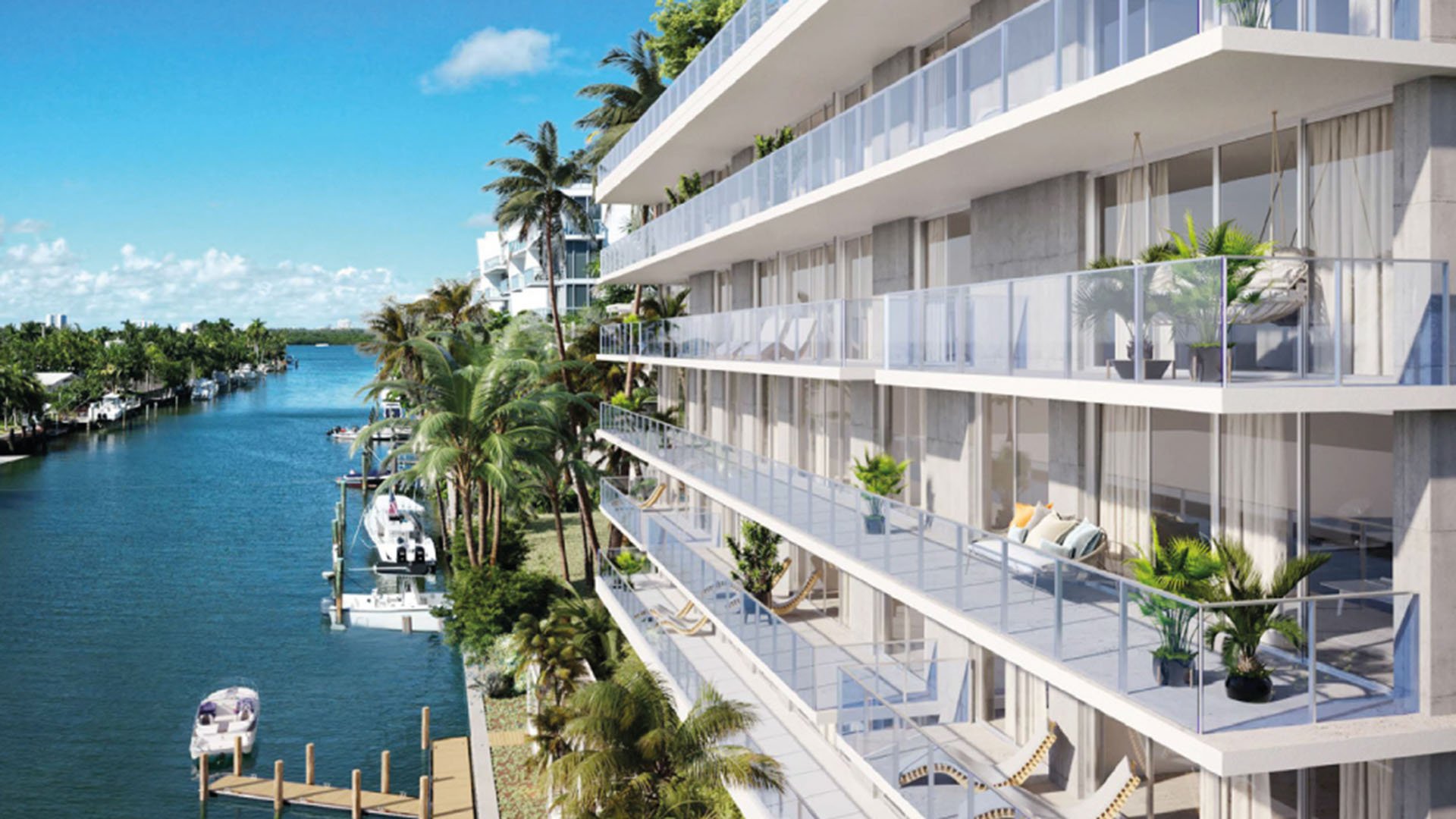
Observers often misunderstand the category of modern dock lifestyle destinations usa. They frequently view these sites as a simple alignment of high-end real estate and boat slips. This perspective fails to account for the crucial “mechanical interface” between the built environment and the water. True lifestyle destinations succeed because they address “shoreline friction.” This term refers to the constant, destructive interaction between high-value assets and the aggressive, corrosive reality of the maritime biome. A successful destination does not merely place a structure near the water. Instead, it engineers the shoreline to mitigate wave action. It also manages the tidal-shift impacts on dock stability and integrates robust wastewater management to protect water quality.
Oversimplification remains the greatest risk for the prospective investor or resident. Many believe that the “luxury” status of a development serves as a proxy for its environmental and operational intelligence. Sadly, this rarely remains the case. We often see prestigious waterfront developments that rely on aging, under-capacity municipal infrastructure. Alternatively, they use proprietary systems that are so opaque and specialized that they become a long-term maintenance nightmare for residents. Identifying the modern dock lifestyle destinations usa worth significant investment requires a willingness to look beneath the surface. One must audit the maintenance records, the site-drainage engineering, and the long-term financial stability of the homeowners’ associations that govern these high-maintenance assets.
Deep Contextual Background: The Evolution of Waterfront Stewardship
Historically, the American waterfront served as an industrial zone. It featured heavy-duty infrastructure—concrete bulkheads, deep-water dredging, and industrial-scale pier construction—intended for commerce. In the mid-to-late twentieth century, developers initiated a radical transition. They “reclaimed” these industrial sites for residential and recreational use. This period witnessed a rapid, often poorly regulated, conversion process. Developers frequently ignored the hydrological consequences of removing industrial-strength barriers or, conversely, of leaving them in place to decay.
The current era, characterized by climate-driven volatility and the rise of data-enabled smart infrastructure, demands a new approach to waterfront stewardship. We are witnessing the maturation of the waterfront from a static asset into a dynamic, “living” interface. Developers now manage complex, multi-layered regulatory environments. They must balance the demand for “deep-water access” with the increasingly strict protections surrounding wetland restoration and water-quality maintenance. This evolution has created a divide. Properties “locked” in the past struggle with mounting infrastructure debt. Conversely, those who invested in forensic, data-driven management ensure their long-term survival in the maritime biome.
Conceptual Frameworks and Mental Models
-
The Shoreline Resilience Audit: This evaluates the property’s ability to survive and function through cyclical extreme-weather events. It measures the robustness of the bulkhead, the height of the pier elevation, and the redundancy of the stormwater drainage.
-
The Hydrological Friction Coefficient: A metric calculating the cost and complexity of maintaining the site’s interface with the water, including annual dredging requirements, pier piling maintenance, and dock-surface degradation.
-
The Utility-Grid Autonomy Model: A framework for measuring how independent the property is from municipal services. True elite sites possess high autonomy, featuring redundant power generation, private water filtration, and localized, high-efficiency waste processing.
-
The Adaptive-Use Framework: A model for evaluating the property’s capacity to be repurposed or reconfigured. Does the dock infrastructure support future changes in vessel size, or is it trapped in a legacy configuration that limits operational flexibility?
Key Categories and Operational Variations
| Category | Infrastructure Profile | Primary Advantage |
| Integrated Marina Hub | High-density service; professional management | Standardized, high-uptime utility access |
| Eco-Stewardship Enclave | Advanced shoreline restoration; low-density | High long-term value; minimal regulatory risk |
| Legacy-Refurbished Estate | Aesthetic depth; high maintenance requirements | Exceptional location; complex utility needs |
| Autonomous Coastal Node | Extreme utility redundancy; high-tech focus | Operational independence; disaster resilience |
Decision Logic: When auditing a potential site, one must prioritize “utility longevity.” If the property relies on a municipal sewage hookup prone to overflow during storm events, it constitutes a high-risk liability. This remains true regardless of the quality of the finishes or the luxury branding.
Detailed Real-World Scenarios
-
The Siltation/Dredging Trap: A developer builds a high-density, multi-unit dock destination in a bay known for high sedimentation rates. Within five years, severe channel siltation prevents deep-draft vessels from accessing the docks. Consequently, residents face a multimillion-dollar, multi-year regulatory nightmare to secure dredging permits. This scenario illustrates the failure to account for site-specific hydrodynamics.
-
The Bulkhead Integrity Failure: A historic waterfront estate undergoes a “luxury renovation” that ignores the aging timber bulkhead. Within two seasons of extreme weather, the bulkhead collapses. This results in significant land loss and catastrophic damage to private dock infrastructure. The second-order effect includes a permanent loss of property value and a massive increase in insurance premiums.
-
The Utility-Capacity Ceiling: A destination adds units without upgrading foundational waste and water systems. Eventually, the system hits a “capacity wall,” leading to localized failures during peak summer months. This failure exposes the management company’s lack of a long-term capital-expenditure roadmap.
Planning, Cost, and Resource Dynamics
Economic success in the maritime domain requires moving beyond standard real estate metrics. One must account for the “total lifecycle cost” of waterfront ownership.
| Cost Variable | Impact on Long-term Value | Variability |
| Shoreline/Bulkhead Maintenance | Extreme | High |
| Storm-Driven Remediation | High | Extreme |
| Regulatory Compliance/Permitting | Moderate | Medium |
| Utility Infrastructure Uptime | High | Low |
Note: The modern dock lifestyle destinations usa market consistently demonstrates that the initial purchase price is the least significant factor. Recurring, and often non-linear, costs of maritime stewardship dictate long-term success.
The Risk Landscape and Systemic Failure Modes
-
Regulatory Drift: Environmental laws governing shoreline use shift toward extreme preservationism. A property that is currently “in compliance” may find itself unable to perform essential maintenance on its own piers due to new, tighter restrictions.
-
Insurance Hardening: Insurers utilize forensic meteorological data to price risk. Properties that cannot prove the mechanical resilience of their dock structures will see their insurance costs strip away the asset’s liquidity.
-
Service-Support Fragility: High-end maritime living requires a specialized workforce—marine electricians, dock-system engineers, and hydraulic-dredging experts. Destinations that lack a local, reliable support network for these systems essentially remain isolated. Consequently, every mechanical failure turns into a multi-week crisis.
Governance, Maintenance, and Long-Term Adaptation
-
The Forensic Maintenance Audit: Before selecting a destination, request a ten-year capital expenditure (CapEx) report. A professional management team documents cycles for everything from piling replacements to sewage-line integrity tests.
-
Layered Adjustment Triggers: Define the triggers for operational change. For example, if a community’s average flood-event frequency increases by 15% over three years, management must review existing flood-mitigation infrastructure.
-
The Documentation Ledger: Maintain a digital record of all utility and structural interventions. This becomes the “medical history” of the property. It represents the single most important asset for future divestment or long-term stewardship.
Measurement, Tracking, and Evaluation
-
Leading Indicators: The responsiveness of the facility management team to granular, technical inquiries; the quality and frequency of public-facing infrastructure reports.
-
Lagging Indicators: The rate of “unplanned maintenance events” logged by the management association over a rolling 24-month period.
-
Documentation: Maintain site-specific bathymetric surveys, water-quality monitoring reports, and structural engineering assessments for all load-bearing waterfront components.
Common Misconceptions and Oversimplifications
-
“High-end equals climate-ready”: Many luxury properties feature aesthetic designs but remain functionally vulnerable to even minor sea-level changes.
-
“Municipal support is guaranteed”: Waterfront infrastructure often exists outside the primary municipal grid. Consequently, property owners hold sole responsibility for utility stability.
-
“Dredging is a simple service”: It is a complex, permit-heavy, and prohibitively expensive environmental process that can take years to finalize.
-
“Pier architecture is static”: Pier systems require constant, active maintenance. They must float or rise with shifting water levels to function correctly.
-
“Ownership includes access”: Waterfront access faces heavy regulation; land ownership does not grant an automatic right to modify the shoreline or dock.
-
“The review score tells the truth”: Most destination reviews focus on the social atmosphere, ignoring foundational infrastructure issues.
Conclusion
Engaging with the world of modern dock lifestyle destinations usa demands a departure from the role of the passive consumer. It requires an audit-based mindset. One must recognize the waterfront not as a static backdrop, but as a dynamic, high-maintenance system. This system dictates the quality of the life experienced there. The properties that endure—and that truly deliver on the promise of high-performance maritime living—internalize the necessity of rigorous, data-driven stewardship. They do not merely occupy the shoreline. Instead, they manage the complex interface between the built and natural environments with a transparency and mechanical maturity that represents the only form of true luxury in the maritime domain.