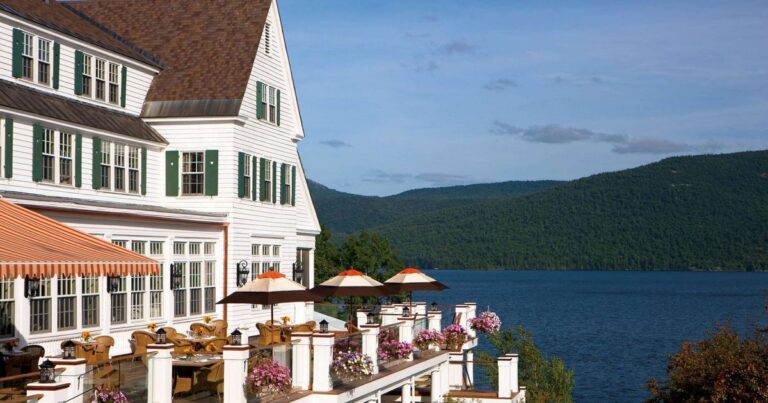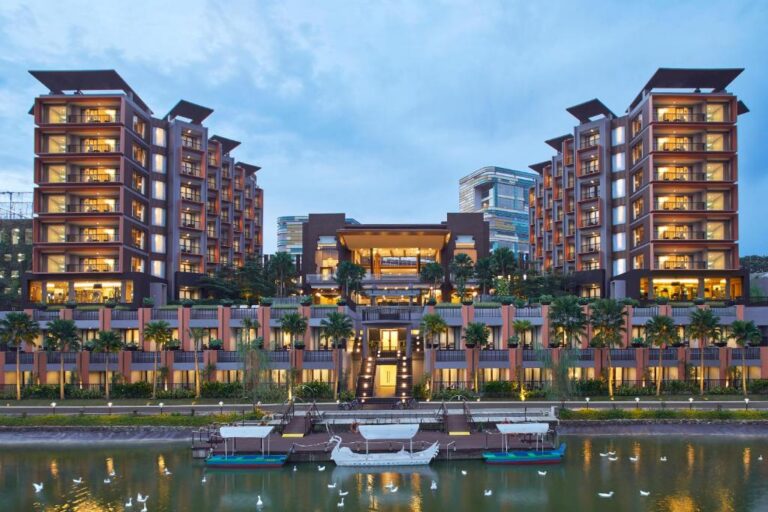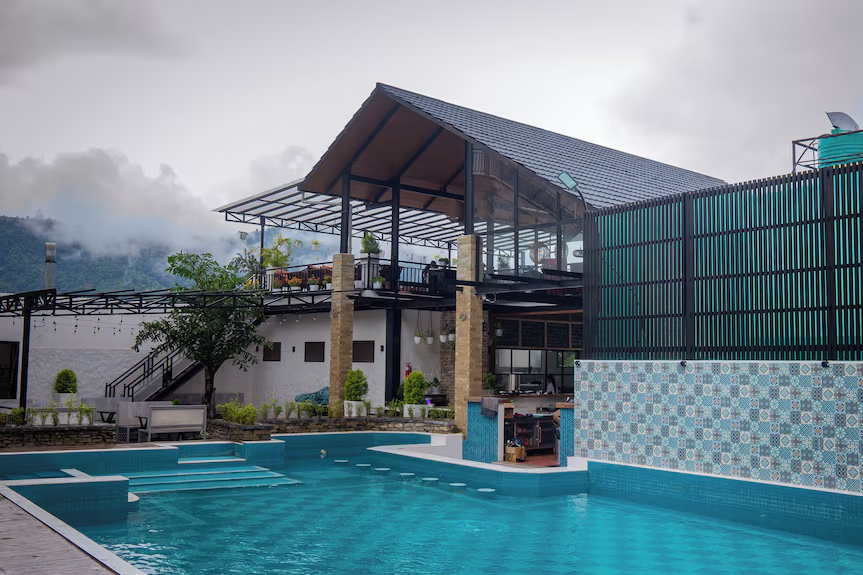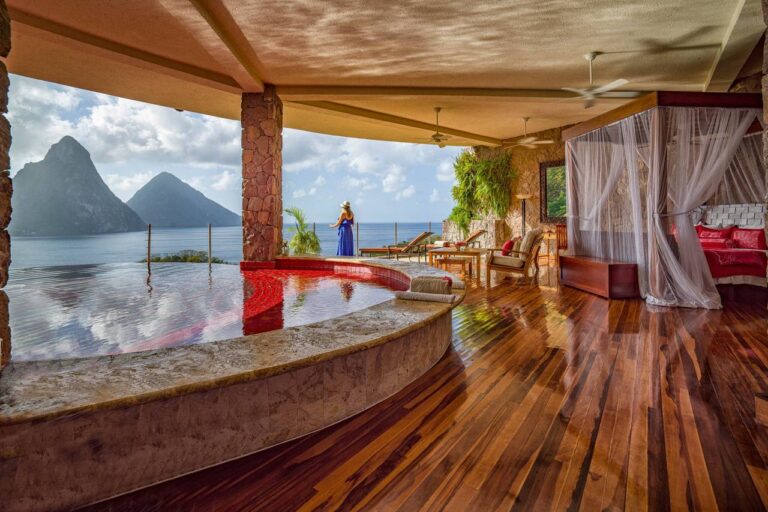
Top Lakefront Hotels Plans: A Forensic Development Guide
The development of lakefront hospitality assets represents a distinct discipline within the broader real estate sector. Unlike coastal properties, which grapple with the volatile power of the ocean, lakefront environments present different challenges. Developers must manage fluctuating water levels, complex riparian rights, and the balance between access and conservation. A lakefront property serves as more than a venue. It acts as an intersection between a sensitive ecological system and a commercial operation.
When discussing the planning of such assets, the industry often overlooks a fundamental reality. Water is a dynamic, not a static, boundary. Planning for a successful lakefront property requires an understanding of hydrology. It also demands expertise in the guest experience. Architects, developers, and operators must reconcile the human desire for shore proximity with governing legal and environmental constraints. Properties that fail to integrate these factors eventually face operational friction.
This guide provides a comprehensive audit of the requirements for high-level hospitality projects on inland waters. We move past idealized renderings of lakeside leisure. Instead, we analyze the rigorous planning, regulatory compliance, and mechanical infrastructure required to sustain a high-performance asset. We establish a definitive reference for development. By doing so, we ensure that the focus remains on long-term viability, structural resilience, and seamless integration.
Understanding top lakefront hotels plans

To properly analyze top lakefront hotels plans, one must first distinguish between “waterfront” as an aesthetic label and “waterfront” as a functional zone. A plan that excels in marketing materials often fails under the scrutiny of an engineering assessment. Furthermore, the primary misunderstanding involves the belief that water proximity is an unconditional asset. In reality, the shore acts as a high-liability zone. Top-tier development plans account for this liability. They utilize strategic setbacks, elevated foundations, and water-resistant materials.
Common planning failures often stem from an overreliance on idealized usage models. Planners frequently focus on the prime summer season. They ignore off-season demands like humidity control, winterization, and water-level variance. Effective planning requires a lifecycle mindset. It necessitates anticipating potential flooding, lake ice impact, and long-term soil stability changes. If the plan focuses solely on the seasonal experience, it creates structural debt. Consequently, the owner pays for this debt through future maintenance cycles and lost operational days.
Deep Contextual Background: The Evolution of Waterfront Development
The history of inland water development reflects a shift from utilitarian use to luxury leisure. Historically, lakefront land functioned as either industrial or private space. It was not until the mid-twentieth century that the commercial hotel became a fixture of American leisure. These early projects often appeared rudimentary. They frequently ignored long-term ecological impacts and the structural realities of building on soft, alluvial soil.
Today, the industry has transitioned into an era of sophisticated ecological integration. Developers no longer simply clear the shore. Instead, they design with the hydrology of the lake in mind. Modern, high-performance plans prioritize permeable surfaces and bio-filtration systems. They also favor architectural footprints that minimize the disturbance of the riparian buffer. This evolution is driven by both state regulations and growing consumer demand for sustainable environments. Successful developers now embrace this complexity. They turn regulatory compliance into a competitive advantage by creating resilient, naturally integrated properties.
Conceptual Frameworks and Mental Models
-
The Riparian Rights Audit: This model evaluates the legal and physical limits of water usage. It ensures that the plan accounts for the difference between public, private, and protected water access.
-
The Hydrological Load Assessment: This model maps the impact of seasonal water-level changes on building foundations and site access.
-
The Resilience-to-Aesthetic Ratio: This framework quantifies how much aesthetic value is supported by long-term durability. It ensures that visual appeal is not sacrificed for short-term cost savings.
-
The Site-Connectivity Model: This evaluates how guest movement, service logistics, and water-based transport interact without disrupting the environmental buffer zone.
Key Categories and Operational Variations
| Category | Primary Development Focus | Primary Resident/Guest Trade-off |
| High-Density Resort | Massive recreational amenities | Lower site privacy; higher maintenance |
| Eco-Sensitive Boutique | Minimal footprint; nature integration | Higher service cost; seasonal accessibility |
| Industrial Adaptive-Reuse | Heritage architecture preservation | Significant structural renovation costs |
| Water-Access Focused | Marina/dock infrastructure priority | High regulatory/permitting hurdle |
Decision Logic: When reviewing top lakefront hotels plans, the paramount criterion involves service-response elasticity. If the site plan cannot demonstrate a robust strategy for handling water-level flux, it introduces a variance risk. This risk will eventually degrade the property’s longevity.
Detailed Real-World Scenarios
-
The Seasonal Foundation Failure: A property is developed using standard foundation specifications on a lake with significant spring melt-water fluctuations. Over time, soil saturation causes foundational settling, leading to structural damage. The failure stems from a lack of site-specific hydrological soil analysis.
-
The Riparian Restriction Crisis: A developer plans an extensive lake-access pier. However, they fail to account for protected migratory bird nesting seasons. The project faces a multi-year construction stoppage. This error results from a failure to audit ecological constraints before finalizing the site plan.
-
The Moisture-Load Catastrophe: A resort is built with materials that are aesthetically pleasing but not rated for high-humidity shoreline exposure. Within a few years, the exterior finish, insulation, and electrical components decay. This happens because standard construction often fails in lake-fog environments.
Planning, Cost, and Resource Dynamics
The economic impact of a lakefront project requires calculation through the lens of environmental maintenance. The initial development cost covers only a fraction of the total investment. One must also account for the ongoing cost of shoreline stabilization and humidity management.
| Cost Component | Relative Impact | Variability |
| Foundation/Site Engineering | 35% | High |
| Regulatory/Environmental Permitting | 20% | High |
| Infrastructure/Water Resilience | 25% | Low |
| Aesthetic/Experience Design | 20% | Medium |
Note: The most fiscally prudent approach involves prioritizing site engineering phases. Economizing on foundation work at the water’s edge is the most common cause of financial failure.
The Risk Landscape and Systemic Failure Modes
-
Water-Level Volatility: Many lakes are prone to long-term cyclical changes. Plans that ignore extreme high and low water marks result in unusable infrastructure, such as docks or beach entry points.
-
Contamination Liabilities: If a property utilizes outdated septic systems, it risks contaminating the local resource. This creates severe regulatory and public relations consequences.
Governance, Maintenance, and Long-Term Adaptation
-
The Quarterly Hydrological Audit: Every lakefront property should undergo a seasonal check of shoreline health, drainage performance, and foundation integrity.
-
Ecological Monitoring: Establish a direct line of communication with local environmental agencies. Treat them as partners to ensure long-term site stability.
-
Adaptive Design Clauses: Ensure that the original plans include pathways for future adaptation. For example, include the ability to reinforce the shore or adjust access infrastructure as hydrological patterns change.
Measurement, Tracking, and Evaluation
-
Leading Indicators: The frequency and quality of interaction with local watershed regulators; the robustness of moisture-mitigation documentation; long-term soil stability reports.
-
Lagging Indicators: Total expenditure on shoreline erosion control; operational downtime due to weather; guest feedback on the ease of water access and shoreline health.
-
Documentation: Maintain a Site Operational Dossier. This ensures that development, design, and operational teams hold a unified historical record of the property’s interaction with the lake.
Common Misconceptions and Oversimplifications
-
“Lakefront development is just like land development”: Building on a riparian edge is a complex engineering discipline.
-
“Permitting is a one-time cost”: Waterfront permitting is a continuous process requiring ongoing compliance management.
-
“One-size-fits-all engineering works”: Each lake has a unique hydrological profile. Generic plans are a primary cause of site failure.
-
“Aesthetics over resilience”: In a waterfront environment, resilience provides the foundation for the aesthetic experience.
-
“Water access is automatic”: Riparian rights are among the most complex legal frameworks in real estate.
-
“The water will stay the same”: Lake levels fluctuate by design and climate. If your plan assumes a static water level, it is fundamentally flawed.
Conclusion
The execution of top lakefront hotels plans represents an exercise in balanced engineering and foresight. By viewing the development as an extension of a sensitive hydrological system, developers ensure long-term stability. Success in this domain is not defined by the view or the decor. Instead, it relies on operational continuity—the assurance that the development can thrive in its water-adjacent environment. In a world of environmental complexity, the ability to plan with hydrological intelligence serves as the ultimate competitive advantage.