American Mountain Lake Destinations: A Forensic Audit
The American high-altitude landscape represents a complex, fragile interface between tectonic geological history and the concentrated pressures of modern recreational demand. When one considers the american mountain lake destinations that define the domestic landscape, the focus often drifts toward the aesthetic. Many people see jagged peaks reflected in still, cold water. However, a rigorous examination reveals a sobering reality. These environments act as high-stress ecological systems rather than passive backdrops for leisure. Their viability depends on a delicate balance. This balance includes infrastructure resilience, resource management, and the slow, inevitable movement of the earth.
To engage with these landscapes properly, one must move beyond the superficial tourism narrative. Instead, treat each site as an engineered node within a larger, regional apparatus. The most successful high-altitude lake retreats respect the temporal constraints of their location. They adapt to short construction seasons and limited access to water-utility grids. Furthermore, they account for the volatile climate shifts that characterize life above five thousand feet. When managers ignore these factors, “maintenance debt” accumulates. This debt represents the gradual decay of the very features that originally drove the area’s popularity. This investigation audits these destinations by examining the systemic requirements that underpin their long-term performance.
We explore the intersection of geography, engineering, and institutional stewardship here. By dissecting the operational realities of these high-altitude assets, we provide a definitive reference for those tasked with managing or navigating these regions. We focus on the forensic operational requirements of high-elevation waterfronts. Consequently, we prioritize structural integrity, ecological viability, and administrative transparency over the ephemeral marketing language that typically obscures the true nature of these high-stakes investments.
Understanding american mountain lake destinations
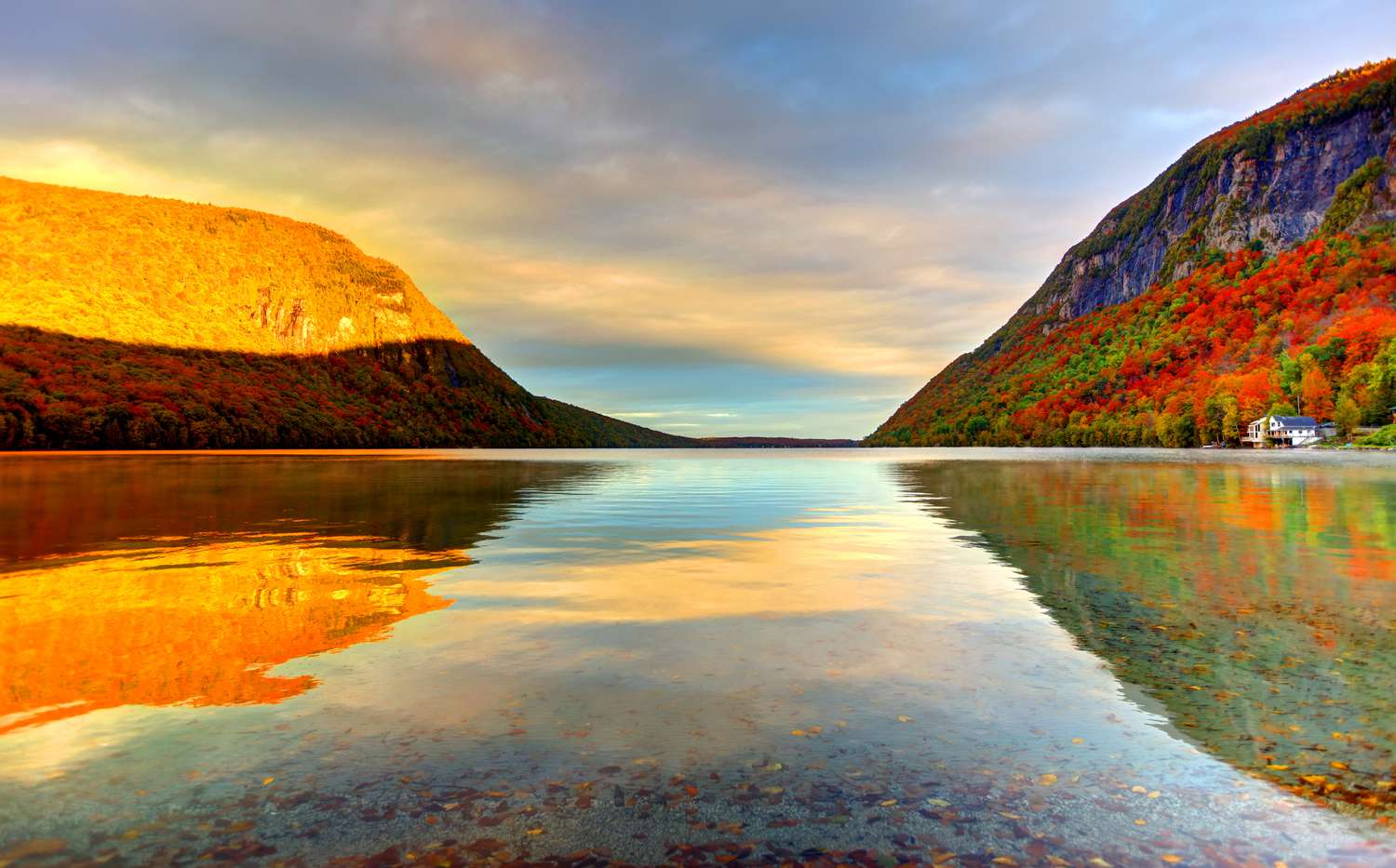
The primary challenge in characterizing american mountain lake destinations lies in the inherent variability of the mountainous terrain itself. For instance, a destination at the base of the Sierras possesses entirely different mechanical demands than a high-plateau lake in the Rockies. A failure to recognize these regional specificities represents the most common error made by developers and visitors alike. When one treats all mountain lakes as a monolith, they ignore site-specific hydrological patterns. They also neglect snow-load requirements and seismic variables that dictate the longevity of built structures. Oversimplification proves dangerous in this context. It leads to the development of infrastructure that cannot survive the first major climate-driven stress event, eventually leaving the stakeholder with a stranded, depreciating asset.
Authentic mastery of these regions requires an audit of the “operational culture” of the destination. Do local governing bodies focus on sustainable hydrological cycles? Or do they prioritize short-term occupancy spikes to boost tax revenue? The american mountain lake destinations that maintain long-term authority actively manage the intersection of visitor flow and environmental impact. By framing one’s interest as an audit rather than a casual visit, the observer identifies properties and municipalities that utilize advanced, science-based resource allocation. This perspective shifts the focus from the experience to the underlying integrity of the system providing that experience.
Deep Contextual Background: The Evolution of High-Altitude Water Management
Historically, observers viewed these high-elevation environments as frontiers for resource extraction—specifically timber, mining, and water diversion. The conversion of these industrial sites into high-end, residential-style retreats represents a rapid shift in the last half-century. Often, developers planned this change poorly regarding resulting environmental stress. As a result, many famous locations now face a crisis of “maintenance debt.” Modern, high-density hospitality needs have pushed legacy infrastructure—designed for isolated mining outposts—beyond its design limits. Consequently, the regions now face a fundamental crisis in sewage treatment, power delivery, and seasonal accessibility.
Management in these regions has shifted into the era of “Alpine Institutional Stewardship.” The most stable sites have moved away from informal management systems. Instead, they now utilize highly regulated, data-driven frameworks. This approach requires sophisticated load-balancing for utilities and rigorous seismic monitoring. Moreover, it necessitates complex logistical planning to move supplies into sites that remain difficult to access. When examining the american mountain lake destinations that offer genuine value, one must look for those that have successfully navigated this transition. This historical context serves as the primary indicator of whether a destination will flourish or decay over the coming decades.
Conceptual Frameworks and Mental Models
-
The Alpine Resilience Matrix: This measures a destination’s ability to maintain core services under extreme seasonal climate events.
-
The Hydrological Integrity Audit: Experts use this model to assess whether the destination prioritizes the health of its water-supply ecosystem.
-
The Logistical Friction Coefficient: This quantifies the cost and effort of maintaining infrastructure at elevation, acting as a proxy for the resort’s operational efficiency.
-
The Seasonal Elasticity Model: This evaluates a destination’s capacity to remain functional across radical transitions between peak summer use and winter dormancy.
Key Categories and Operational Variations
| Category | Operational Profile | Primary Management Challenge |
| High-Performance Resort Enclave | Managed, data-driven infrastructure | High cost; risk of homogenization |
| Heritage-Adaptive Hamlet | Restored, but complex, legacy systems | Balancing charm with utility requirements |
| Isolated Ecological Retreat | Minimalist; extreme reliance on site | Managing extreme environmental risk |
| Regional Multi-Use Basin | Large-scale; utility-dependent | Managing competing land-use interests |
Decision Logic: To determine the best path forward within the american mountain lake destinations map, prioritize sites that exhibit evidence of active infrastructure maintenance. If a location lacks a published, long-term plan for wastewater management, categorize it as high-risk, regardless of its aesthetic appeal.
Detailed Real-World Scenarios
-
The High-Altitude Utility Bottleneck: An isolated resort experiences an unseasonable heat wave. Increased energy demand causes a grid failure, which subsequently kills on-site pumping systems. The property remains without potable water for 48 hours. This exposes the risk of failing to build redundant utility systems at altitude.
-
The Erosion-Management Crisis: A popular alpine basin faces massive siltation in its lake due to poorly managed trail construction. The destination now faces a multi-million-dollar remediation cost. This demonstrates the second-order effects of prioritizing recreational access over ecosystem health.
-
The Seismic Exposure Failure: Developers built a cluster of upscale, water-adjacent lodges using traditional timber construction without seismic bracing. A minor tectonic shift causes structural settling. Consequently, pipe bursts occur in thirty percent of the units. This failure illustrates the necessity of matching structural engineering to the geological reality of the site.
Planning, Cost, and Resource Dynamics
Economic evaluation requires looking beyond the cost of a stay toward the “Total Cost of Asset Stewardship” for the region.
| Cost Variable | Impact on Long-term Value | Variability |
| Infrastructure Resilience Upkeep | Critical | High |
| Seasonal Logistics/Supply | High | Extreme |
| Ecological Monitoring Costs | Moderate | Low |
| Emergency Contingency Reserves | Moderate | Medium |
Note: The american mountain lake destinations that consistently rank highest in utility-to-cost ratios distribute the burden of infrastructure costs across all stakeholders.
The Risk Landscape and Systemic Failure Modes
-
Mechanical Obsolescence: Alpine sites require specialized, pressure-resistant utility systems. Resorts that lag in replacing these components face inevitable, compounding failure cycles.
-
Regulatory Fragility: High-altitude water rights remain fiercely contested. A change in regional water allocation policy can instantaneously devalue the primary asset—the lake frontage—of a mountain destination.
-
The “Crowding Out” Effect: When tourism demand exceeds the physical capacity of the site, the destination inevitably undergoes a decline in quality. The maintenance budget often becomes cannibalized by the cost of basic visitor management.
Governance, Maintenance, and Long-Term Adaptation
-
The Forensic Site Audit: Before planning a long-term engagement with a destination, review local utility commission reports. A site that manages its data transparently demonstrates high-performance governance.
-
Adjustment Triggers: Local management should possess clear, data-driven indicators for when to limit access. These include nitrogen levels in the lake or capacity thresholds for sewage systems.
-
Layered Maintenance Checklist: Develop a recurring audit of the site’s infrastructure health. Track items such as bridge integrity, water-line insulation, and the status of emergency-access routes.
Measurement, Tracking, and Evaluation
-
Leading Indicators: Transparency of public utility infrastructure plans and the frequency of environmental impact reviews.
-
Lagging Indicators: The frequency of service outages and the rate of change in local water-quality benchmarks.
-
Documentation: Maintain a historical record of infrastructure performance in chosen destinations. This provides the necessary feedback loop for professional decision-making.
Common Misconceptions and Oversimplifications
-
“Natural means stable”: High-altitude ecosystems are dynamic and often volatile, not inherently static.
-
“Scenic is high-quality”: Visual appeal often correlates inversely with the structural and systemic health of a destination.
-
“Remoteness is luxury”: Remoteness acts as a logistical liability requiring sophisticated, self-reliant infrastructure.
-
“Local governance is simple”: Alpine regions often navigate overlapping, contradictory regulations from multiple agencies.
-
“Historical buildings are superior”: Older buildings often fail to meet the modern load requirements of high-density tourism.
-
“Modern is automatically sustainable”: Over-engineering can be just as damaging as under-building in high-elevation sites.
Conclusion
Engagement with american mountain lake destinations serves as an exercise in discerning the difference between a destination’s superficial veneer and its structural reality. By treating these sites as complex institutional assets, the professional observer identifies true value. They prioritize destinations that combine ecological sensitivity with forensic-grade maintenance. A successful destination at altitude understands the limits of its environment and refuses to exceed them. When the human-built infrastructure aligns with the natural geological cycle, the result is a stable, high-performance retreat. This stability persists long after the trends of the tourism market fade away.